
How to choose the right surveillance system?
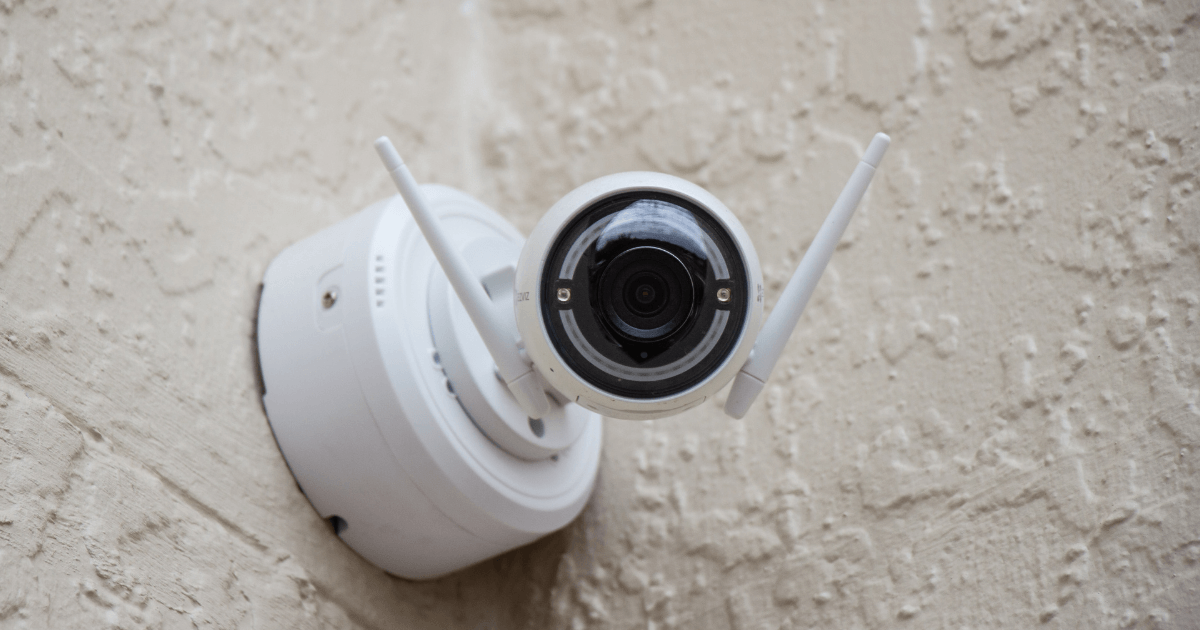
More than just a trend, having an alarm system to secure your home is becoming increasingly encouraged. There is no shortage of configurations available. However, it is important to make the right choice based on several factors. In this article, we highlight the key parameters to consider when selecting the security system that best suits your needs.
Why install an alarm system?
According to data shared by the Grand Ducal Police, a burglary typically occurs within a short period of time. On average, criminals take around ten minutes to carry out their act. Even a brief absence from your home can be enough for burglars to steal your valuable belongings.
By installing an effective alarm system, it becomes easy to monitor your home remotely at any time and from anywhere, especially if the system includes an alert mechanism that allows you to respond immediately.
In any case, the main reason to install an alarm system is its deterrent effect on intrusion attempts.
Another factor in favor of installing such a system is your insurance premium. Installing a security system in your home may entitle you to a reduction in your home insurance costs.
What makes an effective system?
While early alarm systems were limited to sounding a siren when an intrusion was detected, modern surveillance systems offer multiple possibilities based on various technologies.
Today, most systems on the market offer a basic configuration that includes:
- A control panel that receives information from various sensors.
- Door and window opening detectors.
- Motion detectors.
- A gas leak detector.
- One or more smoke detectors.
- An indoor siren.
The number of components listed above is then adapted to the size and specific features of the property.
Additional sensors and detectors can be added depending on your needs to ensure optimal security.
Additional anti-intrusion options.
Beyond the basic configuration, technology also enables systems with specific features. Among the most commonly requested options today are:
- The ability to connect the alarm system to a SIM card for instant notifications.
- An autonomous power supply to handle power outages.
- Integration with a digital recording system.
- An outdoor siren to alert neighbors.
- The addition of a video surveillance system for remote verification.
- Subscription to a professional monitoring service.
- A fog generator that reduces visibility and prevents burglars from identifying valuables.
- Subscription to an external remote monitoring service.
These are not the only differences defining the variety of available solutions. Among the systems offered by professionals, you will also need to choose the type that best fits your situation.
Wireless system? Wired system? Smart home system? The following sections provide detailed descriptions of these options to help you make the most suitable choice.
Different types of home security systems.
Wired alarm systems.
This type of system is generally installed during the construction of the home. Sensors are placed on all openings, motion detectors are installed in each room requiring monitoring, and surveillance cameras are positioned around the perimeter. Everything is connected to a central unit that records all data.
Most often, the system is connected to the home’s internet network and communicates potential intrusions through this connection. It is recommended to include a backup power supply in case of outages.
It also allows selective activation, enabling monitoring of certain areas independently. For example, you can remain upstairs while activating protection for the ground floor.
Activation is controlled via one or more control units, using a code, mobile app, or magnetic card. These methods are particularly suitable for children.
In case of activation, the system records the intrusion and sends an alert to the owner’s mobile device while the external siren alerts the neighborhood.
Smart home alarm systems (integrated systems).
This type of system must also be planned during construction. As a wired system, installation in an existing property requires significant work and is typically the most expensive option.
However, it offers extensive control over your home. Advanced configuration allows full monitoring of movements within the property.
For example, it can track the movements of occupants, including staff and children, and enable remote interventions via connected devices.
Some systems also offer facial recognition to identify authorized individuals. You can restrict access to certain rooms, arm or disarm the system remotely, and receive notifications when sensors are triggered.
These systems integrate with other home functions, allowing synchronized actions such as:
- Activating video surveillance recording.
- Switching heating to eco mode.
- Closing shutters automatically.
- Turning off unnecessary electrical devices.
- Activating specific security systems independently.
- Opening shutters and doors in case of fire alerts.
- Simulating presence through random lighting.
Wireless home alarm systems.
Wireless systems are easy to install in existing homes and do not require major construction work. They are also suitable for rental properties and commercial spaces where wired installations are not allowed.
Wireless devices can connect via Wi-Fi, although radio-based systems provide additional security.
They allow connection of sensors, motion detectors, and cameras to the control panel.
Other advantages include:
- Autonomous power supply (usually batteries).
- Lower cost compared to wired systems.
- Easy installation and Wi-Fi connectivity.
- Compatibility with mobile devices.
- Notifications, photos, and videos via dedicated apps.
- Access to professional monitoring services.
Finally, wireless systems are available for purchase or rental, allowing access to a complete service including installation and maintenance for a controlled monthly cost.