
Defining zones for optimal alarm system installation
You have decided to equip your home with an alarm system to protect it against intrusions? That is an excellent decision.
Through this article, we will give you a few key insights to help you design a complete and rational alarm system tailored to your real needs.
Before purchasing your alarm system, we recommend defining the areas to protect by carefully analyzing your home. Indeed, not every room is exposed to the same risk of intrusion. The required equipment will therefore vary depending on whether it is a house, apartment, or office, based on the surface to protect and how the property is used.
Define the areas to protect based on real risks.
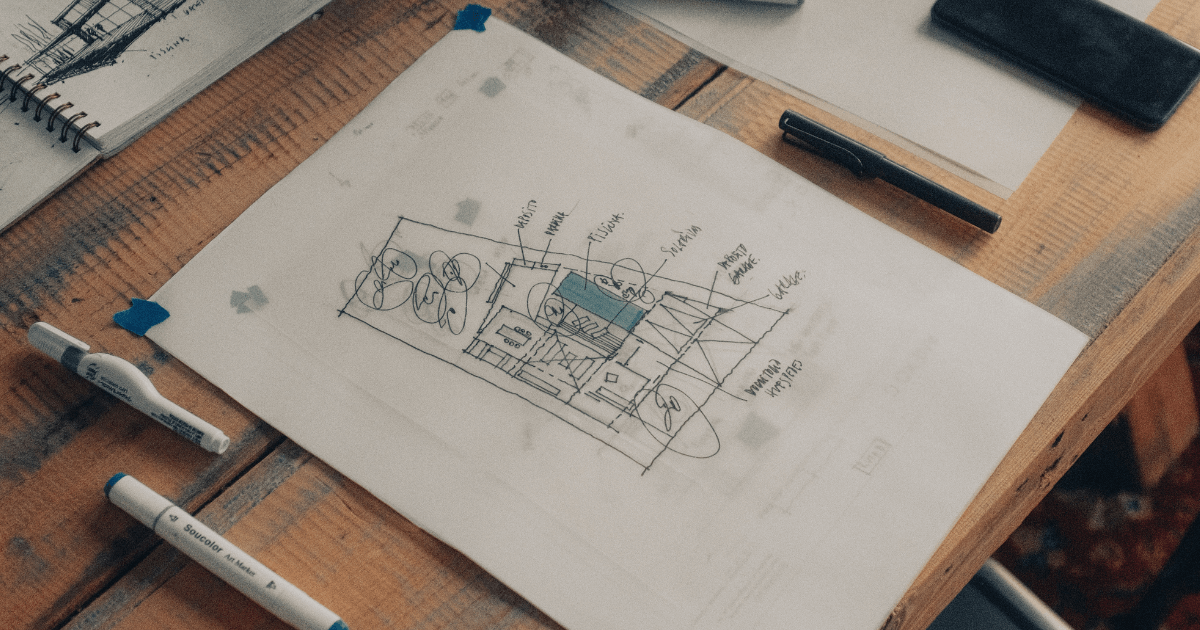
When experts are tasked with securing a property, they use a zoning approach. They analyze the area by thinking like a burglar and identify all vulnerabilities that could allow intrusion into your home or business premises.
They also consider all technical installations to ensure prevention of any risks threatening the environment you want to secure.
To begin, review each room in your home and rate it from 1 to 10 according to its actual risk level.
Intrusion risks must of course be assessed, but securing a property is not limited to burglary prevention. Fire hazards and gas leaks must also be taken into account.
1. Secure the immediate surroundings outside your home.
Depending on the situation, it may be useful to secure certain outdoor areas. For example, you can install motion detectors connected to lighting systems that activate at the slightest suspicious movement.
This type of device may also be necessary to protect a garden shed containing valuable equipment.
2. Analyze your technical installations.
One often underestimated factor concerns the locations of technical installations. Consider heat sources that could cause fires and gas-powered systems that may be subject to leaks.
These areas should be equipped with smoke or gas detectors to prevent any malfunction.
3. Protect direct access points from outside.
Another key factor involves rooms with direct access from outside. Doors, garage entrances, glass doors, and ground-floor windows require magnetic opening detectors to prevent intrusion attempts. Openings on upper floors should also be protected if accessible from a terrace.
4. Secure mandatory passage areas.
Rooms that serve as passageways between living areas should also be monitored. Motion detectors and/or surveillance cameras are recommended. If cameras are used, position them so individuals can be easily identified.
5. Equip rooms containing your most valuable belongings.
Rooms housing valuable items require a higher level of protection. However, camera systems are not suitable for all spaces. If installing a safe, place it in a hard-to-access location and anchor it to the floor or wall.
Entrust your installation project to an expert.
Whether you choose a wired alarm system or a wireless solution to prevent intrusion risks, we recommend consulting an expert for professional advice. They can also guide you on the most suitable system based on your needs and the type of property you want to protect.